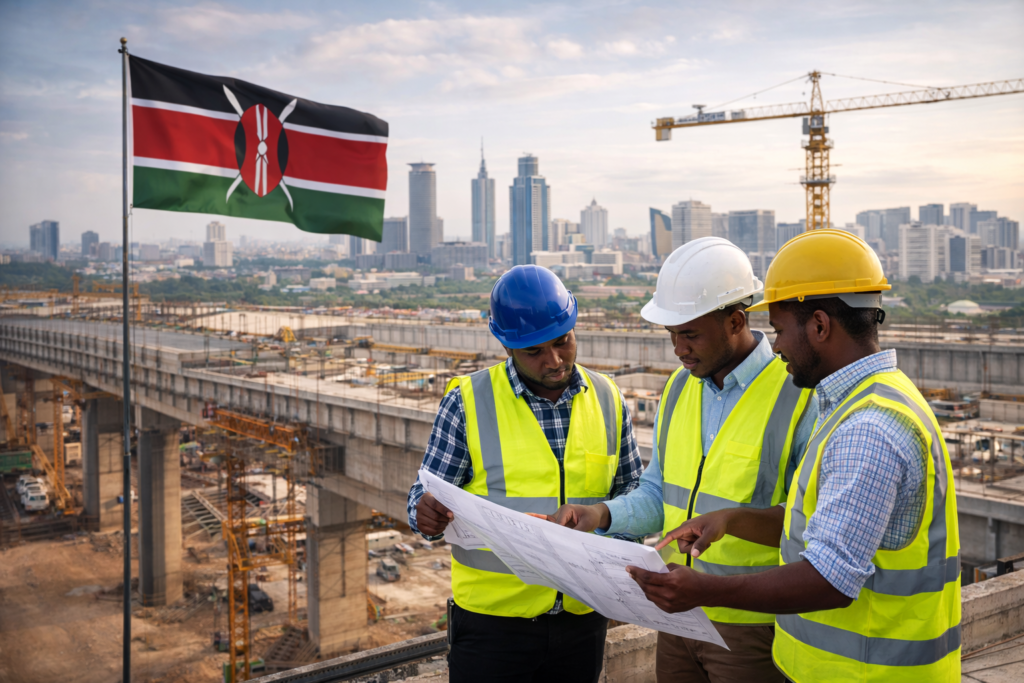
Kenya stands at a pivotal moment in its development journey. Cranes dot the Nairobi skyline, and new roads stretch across counties. Additionally, major dams take shape in rural areas. Yet, a significant shift is occurring behind the scenes. The government is now championing a strong push for local engineers in national projects in Kenya. This movement is not just policy rhetoric; rather, it is a deliberate strategy to build national capacity. For too long, foreign firms dominated lucrative infrastructure contracts. Now, the tide is turning decisively, as local talent takes centre stage.
The Legislative Shift Empowering Kenyan Experts
New laws are reshaping the procurement landscape. Parliament is actively reviewing the Public Procurement and Asset Disposal Bill. Importantly, this legislation aims to reserve significant work for local entities. Any public procurement below a certain threshold will consequently go to Kenyan companies. Moreover, foreign bidders must now prioritize local subcontractors for specific tasks, which include essential work like bush clearing and road markings. These changes create massive room for local engineers in national projects in Kenya, representing a direct response to past missed opportunities.
Learning from the Standard Gauge Railway Experience
Political leaders have highlighted a crucial lesson learned from past projects. The Standard Gauge Railway project offered little for local firms, thus stifling their potential. Foreign dominance in primary contracts additionally hindered local growth. Experts believe we would now have railway builders if locals had participated a decade ago. Fortunately, the current legislative push seeks to correct this historical error, ensuring our experts gain valuable experience. Consequently, they will finally build capacity on home soil.
The Untapped Capacity of Kenyan Professionals
Some may question the readiness of local engineers. However, the numbers tell a different story entirely. Kenya has trained over 37,000 engineers since independence, and we also boast more than 100,000 trained technicians. These professionals work across various sectors, including water, energy, and transport. Moreover, they serve in defense, innovation, and telecommunications. The Institution of Engineers of Kenya (IEK) asserts their capability strongly. “We are experienced, we are qualified, we are capable,” says IEK President Shammah Kiteme. Notably, this workforce is ready for local engineers in national projects in Kenya.
Matching Global Standards
Local firms can certainly match international competitors. Kenyan engineers are part of a global community and welcome colleagues from across borders. However, they refuse to be sidelined. The government’s BETA agenda requires this expertise for numerous projects, including 1,000 dams and affordable housing. Additionally, the digital superhighway demands 100,000 km of fibre optic cable. Local professionals possess the necessary skills to deliver this ambitious vision; they simply need the opportunity to prove it.
Demanding a Fair Share of Mega Projects
The call for inclusion is growing louder each day. The Association of Consulting Engineers of Kenya (ACEK) is pushing hard for a bigger piece of mega projects. Historically, Chinese and Japanese firms have dominated roads and energy sectors, often arriving with tied financing that leaves little room for local input. Consequently, ACEK chairperson Jane Mutulili advocates for local manufacturing to reduce reliance on imports and create jobs. Therefore, the push for local engineers in national projects in Kenya is fundamentally about economic justice.
The 40 Percent Allocation Proposal
IEK has proposed a specific target for reform. They want urgent reviews of procurement laws to ensure that at least 40 percent of Public-Private Partnership (PPP) projects go to local engineers. PPPs, which fund critical infrastructure, rarely benefit local professionals at present. This allocation would not only build sustainable capacity but also create jobs and foster growth. Importantly, this proposal is gaining traction among policymakers, representing a concrete step toward empowerment.
Ensuring Quality Through Local Expertise
Recent infrastructure failures raise serious concerns that cannot be ignored. Building collapses highlight the pressing need for better supervision. ACEK notes the necessity of engineer involvement at all stages of the project lifecycle. Local engineers provide essential continuity and accountability. They understand the local terrain and materials, thus ensuring projects meet safety standards. The Engineers Board of Kenya (EBK) emphasizes ethical practices, and strengthening governance is crucial for the sector. Local engineers in national projects in Kenya bring this vital commitment.
Beyond Construction to Sustainability
Sustainability requires a broader perspective that goes beyond just building. IEK South Rift chair Eng Harrison Keter stresses this point: projects must define the number of local personnel and specify roles for Kenyan experts. Training and capacity building are essential in ensuring that projects function long after completion. Local engineers provide not only maintenance but also operational knowledge. Therefore, they serve as long-term custodians of national infrastructure.
The Role of Technology and Innovation
Local engineers are actively embracing modern tools and methods. Advanced manufacturing techniques are gaining ground, and approaches like 3D printing and smart materials represent the future of construction. Additionally, Building Information Modeling (BIM) enhances project delivery. Kenyan engineers are adopting these innovative methodologies and pushing beyond traditional boundaries. Consequently, the push for local engineers in national projects in Kenya drives innovation, fostering a competitive, forward-thinking industry.
The Local Content Bill 2025
New legislation will further accelerate this positive trend. The Local Content Bill 2025 targets the energy sector and mandates that 60 percent of goods and services be sourced locally. Foreign firms must therefore transfer technology and skills, including engineering support and operations. This legislation aims to structurally upgrade the value chain, allowing Kenya to transition from merely hosting projects to managing them effectively. In turn, this creates unprecedented demand for local expertise.
SelteQ Engineering Leading the Way
SelteQ Engineering stands proudly at the forefront of this movement. We are a premier engineering service provider, and our team comprises highly qualified local experts. Importantly, we understand the Kenyan terrain intimately and operate at global standards of excellence. Our governance structures ensure complete transparency, as we remain committed to ethical practices. We truly believe in the power of local talent, and the push for local engineers in national projects in Kenya aligns perfectly with our mission.
Our Expert-Led Approach
We combine local knowledge with international best practices, ensuring a comprehensive approach to all our projects. Our engineers undergo continuous professional development, and we utilize cutting-edge technology across all initiatives. Safety and quality remain our top priorities, and we work collaboratively with all stakeholders. Importantly, we ensure compliance with all regulations. Our governance-awareness and corruption-averse mindset make us the ideal partner for national projects, allowing us to deliver world-class results every time.
Building Kenya with Kenyan Expertise
Partner with SelteQ Engineering as we are local Kenyan experts dedicated to your success. The future of Kenyan infrastructure is indeed bright, built by Kenyan hands and minds. Thankfully, the legislative framework now supports this visionary path. Over 37,000 engineers are ready to serve. They bring passion, skill, and accountability to every project. They ensure that infrastructure is safe and sustainable while keeping wealth and knowledge within our borders. The push for local engineers in national projects in Kenya is irreversible, marking a critical step toward true economic independence.
Your project deserves the best local expertise available, and SelteQ Engineering delivers excellence with integrity. We focus on governance and results. We are prepared to tackle your toughest challenges, bringing world-class engineering to Kenyan soil. Do not settle for less than the best. Choose a partner committed to national development. Choose a team that values quality and ethics. Make the smart choice for your next project.
Contact SelteQ Engineering now. Let us discuss how we can support your vision. Together, we will build a stronger Kenya.